Introduction
When someone visits your website for the first time, they are essentially meeting a stranger. They have no reason to trust you yet. They do not know if you are competent, reliable, or worth their money.
Social proof changes this. When potential customers see that other people–people like them–have had positive experiences with your business, trust builds quickly. This psychological principle explains why we check reviews before trying a new restaurant or ask friends for tradesperson recommendations.
For local businesses in Western Sydney, leveraging social proof on your website can dramatically improve conversion rates. This guide covers how to collect, display, and maximise the impact of testimonials and other forms of social proof.
Understanding Social Proof
The Psychology Behind It
Humans are social creatures. When uncertain, we look to others for guidance. If many people trust a business, we assume it must be trustworthy. If someone similar to us had a good experience, we expect we will too.
This is not weakness–it is efficient decision-making. We cannot personally evaluate every business, so we rely on collective wisdom.
Types of Social Proof
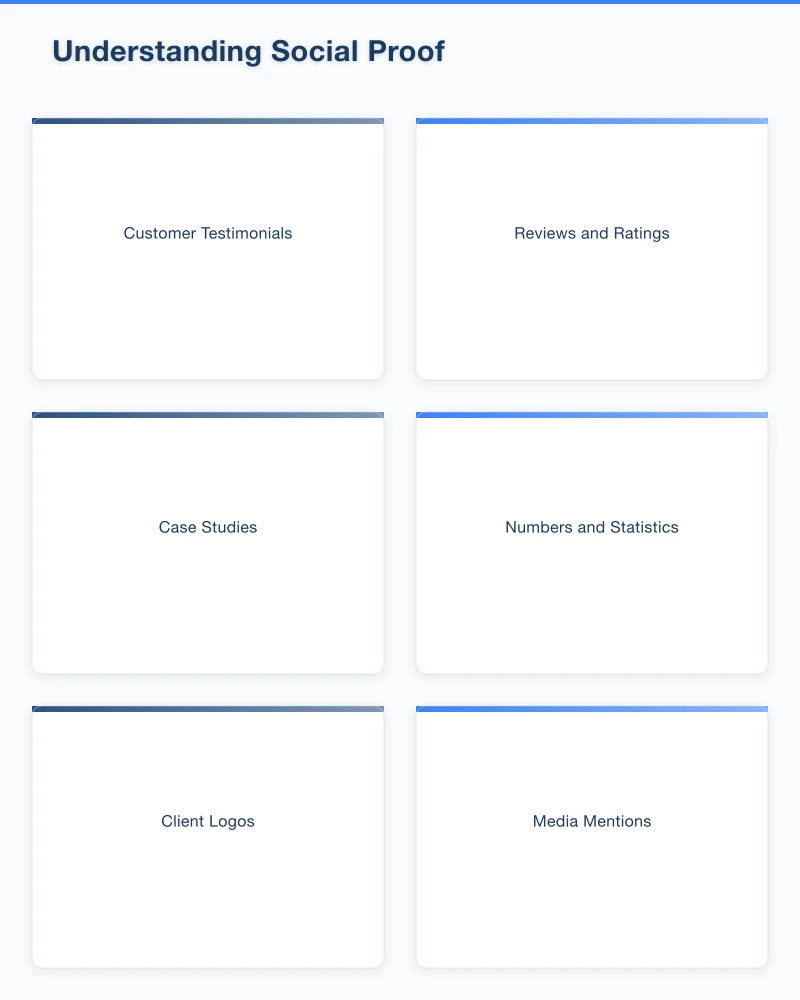
Customer Testimonials: Direct quotes from satisfied customers about their experience.
Reviews and Ratings: Star ratings and written reviews on platforms like Google, Facebook, and industry sites.
Case Studies: Detailed stories of how you helped specific customers achieve results.
Numbers and Statistics: “500+ Western Sydney homes serviced” or “98% customer satisfaction.”
Client Logos: Recognisable brands or organisations you have worked with.
Media Mentions: Coverage in newspapers, TV, podcasts, or industry publications.
Certifications and Awards: Industry recognition, qualifications, and memberships.
User-Generated Content: Customer photos, social media posts, and community engagement.
Each type serves different purposes and resonates with different audiences.
Collecting Customer Testimonials
When to Ask
Timing matters enormously. Ask at the right moment:
Best Times to Request:
- Immediately after successful service completion
- When a customer expresses satisfaction
- After receiving positive feedback verbally
- Following repeat business (shows loyalty)
- After resolving a problem successfully
Worst Times to Request:
- Before service is complete
- When issues remain unresolved
- During busy or stressful moments
- Too long after the service (memory fades)
How to Ask
In Person: The most effective method. After service, simply ask: “I’m glad you’re happy with the work. Would you be willing to share your experience in a testimonial for our website?”
Follow-Up Email: Send a brief email shortly after service:
Subject: How did we do?
Hi [Name],
Thanks for choosing [Business Name] for your [service]. We hope you are happy with the results.
If you have a moment, we would love to hear about your experience. Your feedback helps other [Parramatta/Western Sydney] customers make informed decisions.
[Link to testimonial form or Google review]
Thanks again for your business.
Text Message: For customers who prefer mobile communication, a brief text with a direct link can work well.
Making It Easy
The easier you make it, the more testimonials you will receive:
Provide a Simple Form: A short form with guided questions works better than “write whatever you want.”
Offer Options: Some prefer writing; others prefer a quick phone call you can transcribe.
Give Permission to Edit: Tell customers you may edit for length and clarity (with their approval).
Ask Specific Questions: “What problem were you facing?” “How did we help?” “What would you tell someone considering our services?”
What to Ask For
Basic Testimonial Elements:
- Their name (full name or first name and suburb)
- The service they received
- Their overall impression
- Specific results or benefits
- Whether they would recommend you
Optional Elements:
- Photo (significantly increases trust)
- Business name (for B2B services)
- Video testimonial (highest impact but hardest to get)
Getting Permission
Always get explicit permission before using testimonials:
Written Consent: Have customers sign a release or check a box confirming permission.
Clarity on Use: Explain where testimonials will appear (website, social media, marketing materials).
Right to Review: Offer to show the final version before publishing.
Easy Opt-Out: Respect requests to remove testimonials.
Displaying Testimonials Effectively
Placement Matters
Homepage: A selection of your best testimonials belongs on your homepage, building trust immediately.
Service Pages: Relevant testimonials on each service page show experience in that specific area.
Dedicated Testimonials Page: A comprehensive collection for visitors who want to see more.
Contact and Quote Pages: Testimonials near conversion points reduce hesitation at decision time.
About Page: Testimonials reinforce your credibility and values.
Design Principles
Attribution Is Essential: Anonymous testimonials have little credibility. Include names and identifiers (suburb, business name, industry).
Photos Increase Trust: A face makes testimonials feel real. Even a small photo significantly improves perceived authenticity.
Keep Text Readable: Long blocks of text get skipped. Pull out key quotes or bold important phrases.
White Space: Give testimonials room to breathe. Cramped layouts feel overwhelming.
Consistent Styling: Create a recognisable testimonial format that fits your brand.
Formats That Work
Quote Boxes: Simple, effective, and easy to scan.
Cards with Photos: Name, photo, quote, and perhaps their suburb or business.
Carousel/Slider: Shows multiple testimonials in limited space. Ensure controls are obvious.
Video Testimonials: Most powerful but require careful placement (not auto-playing).
Star Ratings with Excerpts: Combine quantitative and qualitative elements.
What Makes Testimonials Convincing
Specificity: “They were great” is weak. “They arrived within 2 hours and fixed our blocked drain for exactly the quoted price” is convincing.
Results Focus: Testimonials that mention specific outcomes (“saved us $500,” “finished ahead of schedule”) beat vague praise.
Relatable Context: Western Sydney customers connect with testimonials from their area. Include suburbs when possible.
Overcome Objections: Testimonials that address common concerns (“I was worried about price but…”) are particularly valuable.
Variety: Show different types of customers, services, and situations to appeal to diverse visitors.
Beyond Testimonials: Other Social Proof
Google Reviews Integration
Display Your Rating: Show your Google rating and review count prominently.
Embed Actual Reviews: Use widgets that pull in recent Google reviews automatically.
Link to Full Reviews: Make it easy for visitors to verify your reviews on Google.
Keep It Current: Embedded reviews should update automatically so visitors see recent feedback.
Case Studies
For businesses where testimonials alone do not capture the full story:
Structure:
- The client and their situation
- The challenge or problem
- Your solution and process
- The results achieved
- Client quote
When to Use: Complex services, B2B work, or situations where before/after transformation is significant.
Numbers and Statistics
Examples:
- “Serving Western Sydney since 2010”
- “1,200+ happy customers”
- “99% satisfaction rate”
- “Average response time: 45 minutes”
Keep It Real: Only use verifiable statistics. Made-up numbers damage trust.
Awards and Certifications
Display Appropriately: Show relevant industry certifications, memberships, and awards.
Explain If Needed: Not everyone knows what certifications mean. Brief context helps.
Keep Current: Remove expired certifications and outdated awards.
Media and Publications
If Featured: Mention and link to media coverage.
“As Seen In” Sections: Display logos of publications that have featured you.
Be Honest: Only cite genuine coverage, not paid advertising.
Client Logos
For B2B Services: Displaying logos of businesses you have worked with builds credibility.
Get Permission: Always confirm clients are comfortable being featured.
Recognisable Names: Logos of known brands carry more weight than unknown ones.
Video Testimonials
Why Video Works
Video testimonials are the most powerful form of social proof because:
- Viewers see and hear real people
- Emotions and enthusiasm come through
- Harder to fake than text
- More memorable and engaging
How to Get Video Testimonials
Keep It Simple: Most customers will not film professionally. A smartphone video is fine.
Provide Questions: Give them 3-4 questions to answer. “What problem were you facing? How did we help? What would you tell others?”
Offer to Film: When on-site, offer to capture a quick video if the customer is willing.
Video Call Recording: With permission, record a Zoom call testimonial.
Using Video Effectively
Short Length: 30-90 seconds is ideal. Longer videos get abandoned.
Subtitles: Many people watch without sound. Always include captions.
Thumbnail and Placement: Use an inviting thumbnail and place videos where they will be noticed.
Do Not Auto-Play: Let visitors choose to watch. Unexpected audio annoys people.
Common Mistakes to Avoid
Fake or Enhanced Testimonials
Never fabricate testimonials or significantly alter customer words. This is:
- Unethical
- Potentially illegal (misleading and deceptive conduct under Australian Consumer Law)
- Devastating if discovered
Outdated Testimonials
Testimonials from 2015 make visitors wonder what has happened since. Keep testimonials reasonably current and remove very old ones.
Generic Praise
“Great service, would recommend” tells visitors nothing. Seek testimonials with specific details that paint a picture.
No Attribution
Anonymous testimonials lack credibility. “J.S. from Sydney” is barely better than nothing. Real names and suburbs build trust.
Too Few or Too Many
A single testimonial suggests you struggle to satisfy customers. Hundreds feel overwhelming and unread. Aim for a meaningful collection (5-20 prominent testimonials with more available if visitors want them).
Ignoring Negative Feedback
If you have negative reviews elsewhere (Google, Facebook), having only positive testimonials on your site seems suspicious. Address issues publicly, respond professionally to criticism, and let your overall positive trend speak for itself.
Legal Considerations in Australia
Australian Consumer Law
The Australian Competition and Consumer Commission (ACCC) has clear guidelines:
Authenticity: Testimonials must be from real customers about genuine experiences.
Accuracy: Do not alter testimonials to change their meaning.
Disclosure: If you have incentivised a testimonial (discount, free product), this must be disclosed.
Permission: You must have consent to use someone’s name, image, and words.
Privacy Considerations
Personal Information: Names, photos, and locations are personal information under the Privacy Act.
Consent: Get clear permission before collecting and displaying customer information.
Withdrawal: Honour requests to remove testimonials.
Data Storage: Securely store consent records and testimonial information.
Measuring Social Proof Effectiveness
What to Track
Conversion Rates: Do pages with testimonials convert better than those without?
Engagement: Do visitors interact with testimonial elements (clicking, watching videos, expanding)?
Bounce Rate: Does social proof keep visitors on your site longer?
A/B Testing: Test different testimonial placements, formats, and quantities.
Improving Over Time
Gather Feedback: Ask customers what convinced them to choose you.
Refresh Content: Replace old testimonials with new ones periodically.
Test Placement: Try testimonials in different locations and measure impact.
Update Statistics: Keep numbers current as your business grows.
Your Social Proof Action Plan
Week 1: Audit and Foundation
- Review current testimonials and social proof on your site
- Identify gaps (missing service areas, outdated content)
- Set up a system for collecting testimonials going forward
Week 2: Collection
- Contact 10 recent satisfied customers for testimonials
- Create a simple testimonial request email template
- Set up a testimonial collection form
Week 3: Organisation
- Select the strongest testimonials for prominent placement
- Gather photos and additional details from willing customers
- Categorise testimonials by service and audience
Week 4: Display
- Add testimonials to homepage, service pages, and contact page
- Integrate Google reviews if applicable
- Create a dedicated testimonials page for comprehensive viewing
Ongoing
- Build testimonial requests into your service completion process
- Regularly refresh displayed testimonials
- Monitor impact on conversions and adjust
Conclusion
Social proof is not about boasting–it is about helping potential customers make confident decisions. When someone lands on your website, they are looking for reasons to trust you. Testimonials from real customers in Western Sydney, visible reviews, and evidence of your track record provide that confidence.
The businesses that consistently collect and display social proof outperform those that do not. Every satisfied customer is an opportunity to build trust with future customers. Make gathering testimonials a routine part of your business, and give those testimonials prominent placement where they can do the most good.
Your happy customers are your best salespeople. Give them a platform to speak.
Need help improving your website’s conversion rate? Contact Cosmos Web Technologies for a free website review.
Your website’s performance depends on what’s behind it. Cloud Geeks provides the managed hosting, cloud, and IT support that keeps Australian SMBs online and secure.
Ash Ganda covers how Australian SMBs are using AI, automation, and digital strategy to grow without scaling costs proportionally.
If your business is also planning a customer-facing iOS or Android app — Awesome Apps builds cross-platform mobile apps for Australian SMBs.
Part of the Ganda Tech Services family, Cosmos Web Tech delivers specialist web design and digital marketing for Australian small and medium businesses.